A guide for leaders who want AI gains without cultural casualties
Table of contents
- A guide for leaders who want AI gains without cultural casualties
- What People-First AI Actually Means
- Why Technology-First AI Rollouts Tend to Fail
- The People-First Adoption Loop
- A Diagnostic: Is Your Approach People-First?
- Common Mistakes Leaders Make
- Getting Started: Practical Steps for the Next 90 Days
- What People-First AI Looks Like in Practice
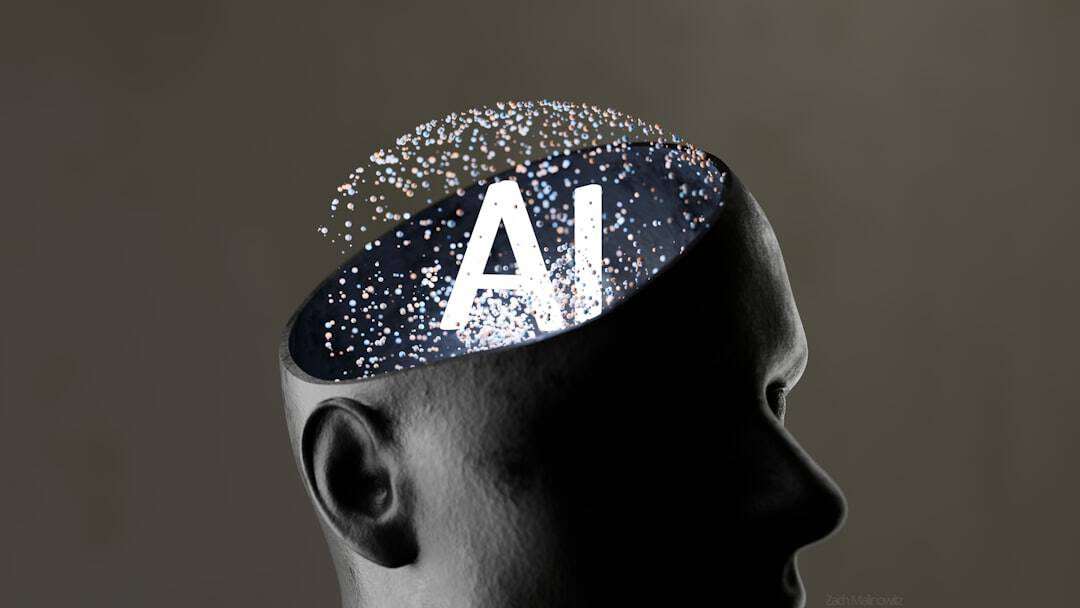
A guide for leaders who want AI gains without cultural casualties
When your organization decides to adopt AI tools, the technology decision is often the easiest part. The harder question, the one most leaders undermine without realizing it, is whether your team will actually use the tools, trust the process, and feel equipped to do their best work once the rollout is over. People-first AI is an approach to technology change that inverts the typical sequence: instead of selecting tools first and adapting the team to fit them, it starts with how people work, what they need to feel confident, and what conditions make adoption stick. This article is for Directors, VPs, and senior managers who are accountable for AI adoption outcomes in their organizations. It covers what a people-first posture looks like in practice, the most common ways leaders undermine it, and a practical framework for structuring rollout decisions around human factors.
What People-First AI Actually Means
“People-first” has become a slogan attached to almost everything in technology change. For the purposes of this article, it means something specific: decisions about AI adoption are made in a sequence that puts human needs, team readiness, and trust ahead of tool selection. In practice, this looks like three things happening before a tool is ever deployed. Understanding current workflows. Before AI can improve anything, someone needs to document what the team is actually doing, not the idealized process in the handbook, but the real one, with its workarounds, informal knowledge, and time sinks. AI tools often fail not because they don’t work, but because they’re grafted onto a workflow nobody fully understands. Identifying what people are afraid of. Fear of job displacement is the obvious concern, but it’s rarely the only one. Teams worry about losing autonomy, about being monitored more closely, about having to re-learn skills they’ve spent years developing. People-first AI makes these concerns visible before the rollout begins, not after. Building competence alongside adoption. The most common failure mode is deploying a tool and expecting people to figure it out. A people-first approach includes structured ramp-up time, peer learning, and explicit permission to slow down while getting comfortable with something new.
Why Technology-First AI Rollouts Tend to Fail
There is a specific failure pattern that appears consistently in organizations that approach AI adoption the way they approach software deployments. The vendor is selected, the contract is signed, IT sets up access, and then an email goes out to the organization: “We now have access to \[tool\]. Here’s a link to the training library.” Sixty days later, adoption is lower than expected. Sixty days after that, a follow-up survey reveals that most people tried the tool once or twice and stopped. The reasons vary: the tool didn’t fit the actual workflow, nobody had time to experiment, it felt risky to use AI in client-facing work, or the manager’s implicit expectation was to keep hitting current metrics while also learning something new. When we work with enterprise teams on AI adoption, what we consistently see is that the failure almost always precedes the rollout. It’s baked in at the point where the technology decision is made without involving the people who will use it. By the time the tool is deployed, the team already has a story about it: that it was chosen for them, not with them; that it’s meant to make them faster or cheaper, not better; that it’s optional in name but required in practice. Reversing that story after the fact is significantly harder than building a different one from the start.
The People-First Adoption Loop
The approach that works for sustained AI adoption follows what we call the People-First Adoption Loop, a three-phase cycle that structures change around trust, not tools.
Phase 1: Surface. Before any AI tool is selected, facilitate a structured conversation with the people who will be affected. Not a town hall, not a survey, but a working session where the team maps their current workflows, names what’s working and what isn’t, and articulates what they’d most want to change. This does two things: it generates the information needed to select the right tool, and it creates genuine participation. People feel they’re shaping the change rather than receiving it.
Phase 2: Sequence. AI adoption should not happen all at once. The organizations that do it well identify one or two workflows where the tool can demonstrate value quickly and with low risk, pilot it there, gather feedback, and adjust before expanding. This runs counter to the typical enterprise instinct to deploy broadly and let adoption normalize over time. Narrow sequencing accelerates real adoption because people can see the results in a context they understand.
Phase 3: Sustain. Most AI rollout plans include a go-live date and a training program. Few include a plan for what happens three months later, when the initial energy has dissipated and the tool is either embedded in daily work or quietly abandoned. Sustaining people-first AI adoption means building it into regular team rhythms: retrospectives, team meetings, skill-building conversations. The People-First Adoption Loop is a cycle, not a project, because trust and competence both require ongoing maintenance. When an AI rollout stalls, the People-First Adoption Loop tells you where to look. Most stalled rollouts are stuck in one of the three phases, and identifying which one tells you what the intervention should be.

A Diagnostic: Is Your Approach People-First?
Before improving your AI adoption process, it helps to know where you’re starting. Answer these questions honestly. On preparation:
- Did you involve the people who will use the tool before selecting it?
- Do you know what the team’s biggest concern about this tool is?
- Have you documented the current workflow the tool is meant to improve?
On sequencing:
- Have you identified a low-risk pilot workflow rather than deploying broadly?
- Is there a defined feedback loop between the pilot team and the rollout decision-makers?
- Does the pilot timeline leave room to adjust before the full go-live?
On sustainability:
- Is there a 90-day plan beyond the go-live date?
- Do managers have explicit guidance on what supporting AI adoption looks like day-to-day?
- Is peer learning built into the rollout, or is all training vendor-led?
If you answered “no” or “not sure” to more than three of these, the technology is likely ahead of the team’s readiness. The solution isn’t to slow down the technology deployment, but to accelerate the human-readiness work in parallel.
Common Mistakes Leaders Make
Treating adoption as an IT project. AI rollout is a change management challenge, not a technical one. Once the integration is working, IT’s job is largely done. The rest, the part that determines whether anyone actually uses the tool and benefits from it, belongs to the managers who run the affected teams. Delegating this entirely to IT or a project management office consistently produces low adoption.
Using login rates as the primary metric. Usage statistics tell you whether people are clicking on the tool. They don’t tell you whether the tool is changing how the team works, reducing cognitive load, or improving output quality. Measuring people-first AI adoption requires qualitative data: team feedback, retrospective notes, manager observations. Quantitative metrics are a lagging indicator. By the time they signal a problem, the cultural conditions that caused it have been in place for months.
Conflating rollout speed with adoption success. There is often pressure to move quickly on AI adoption because of competitive concerns or leadership mandates. The organizations that move fastest on tool selection tend to move slowest on actual adoption, because the team was never ready and the rollout never quite takes hold. Slowing down the front end of the process, the selection and preparation phase, usually accelerates the back end.
Assuming resistance is irrational. When people resist AI tools, leaders often attribute it to technophobia or general discomfort with change. More often, the resistance is entirely rational: the team doesn’t understand how the tool was chosen, doesn’t know what it means for their role, doesn’t have time to learn it alongside their current workload, and doesn’t trust that their concerns will be heard if they raise them. Addressing resistance means understanding its source, not overcoming it by mandate.
Getting Started: Practical Steps for the Next 90 Days
If you’re at the beginning of an AI adoption cycle, the first 30 days should focus entirely on the Surface phase: understand the current state before selecting or deploying anything.
Weeks 1 to 2: Identify the two or three workflows in your team or organization that are most affected by the AI tool you’re considering. Facilitate a working session for each, 60 to 90 minutes, where the people doing the work map the current process and name the friction points. Keep these sessions small and focused on observation, not problem-solving.
Weeks 3 to 4: Synthesize what you learned and share a summary with the team. This act alone, showing that the research happened and influenced the process, builds more trust than most communication campaigns.
Month 2: Select the pilot workflow and the pilot group. Design the feedback loop: how will you collect input from the pilot team, at what intervals, and who is responsible for acting on what you hear?
Month 3: Run the pilot. Hold a structured retrospective at the midpoint and adjust before going wider. Leaders and teams building their first people-first approach often also find it useful to think about how this connects to their broader ai product management roadmap: AI adoption doesn’t happen in isolation from the other technology decisions your organization is making, and the human-readiness work done here compounds. A team that navigates one AI adoption thoughtfully is better positioned for the next one.
What People-First AI Looks Like in Practice
A VP of Engineering at a 300-person B2B software company introduced a new AI code review tool in 2025\. The first rollout attempt failed: engineers used it for a few weeks, then largely stopped. Feedback collected afterward pointed to the same theme: nobody had asked what they found most tedious about code review, or what they were worried the tool would take away. The tool had been introduced as a solution to a problem that hadn’t been defined with the people who had it. The second attempt started differently. A working session with the engineering team surfaced that the biggest friction wasn’t the review process itself, but the back-and-forth on ambiguous requirements early in a sprint. The team identified a pilot use case the tool fit naturally, ran it for six weeks, and held a retrospective before expanding. Usage is now consistent across the team, and the engineers who were most skeptical in the first attempt are among the strongest advocates in the second. The technology was the same in both attempts. The sequence was different. People-first AI is not a slower approach to technology change. It is a more durable one. The organizations that will sustain real competitive advantage from AI aren’t the ones that deployed the most tools the fastest. They’re the ones that built the conditions for genuine adoption: clarity about what’s changing, meaningful involvement in how it changes, and ongoing support for people navigating the transition. If your organization is planning or mid-stream on an AI rollout and running into the patterns described here, Voltage Control works with enterprise leadership teams to design and facilitate the human side of technology change. Book a free intro call with our facilitation team to talk through where you are and what a people-first approach might look like for your context.