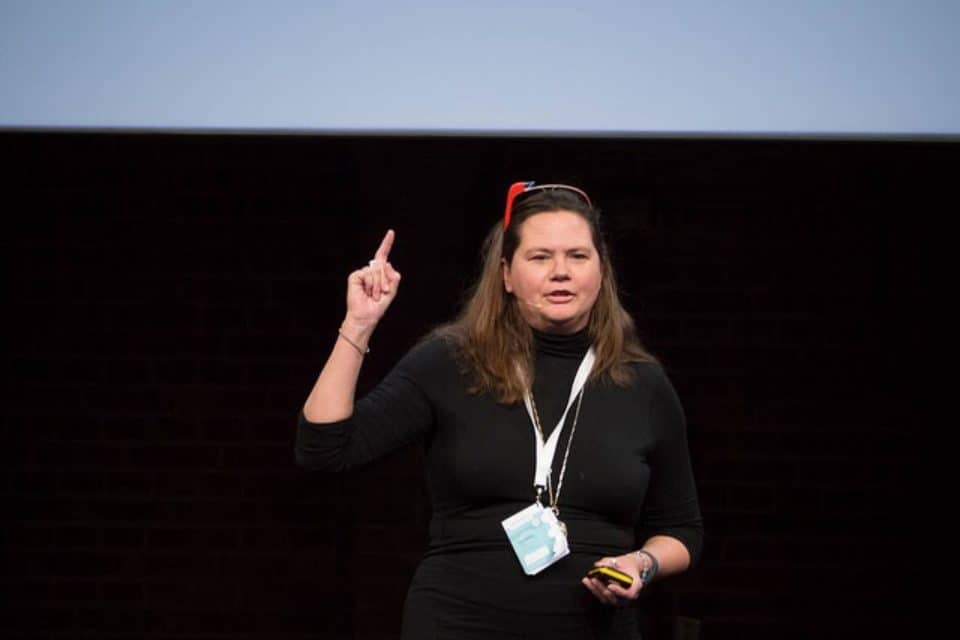
Christina Wodtke, author of best-selling book Radical Focus and a lecturer at Stanford University, has helped grow companies such as LinkedIn, Zynga, Yahoo, and The…
199 results found.
Christina Wodtke, author of best-selling book Radical Focus and a lecturer at Stanford University, has helped grow companies such as LinkedIn, Zynga, Yahoo, and The…
Douglas Ferguson speaks with Kai Haley, Head of UX Methods and Processes & Founder of Sprint Master Academy at Google, about Google Sprint Masters, the delicate balance between data and design, and how knowledge sharing creates resilient product teams.
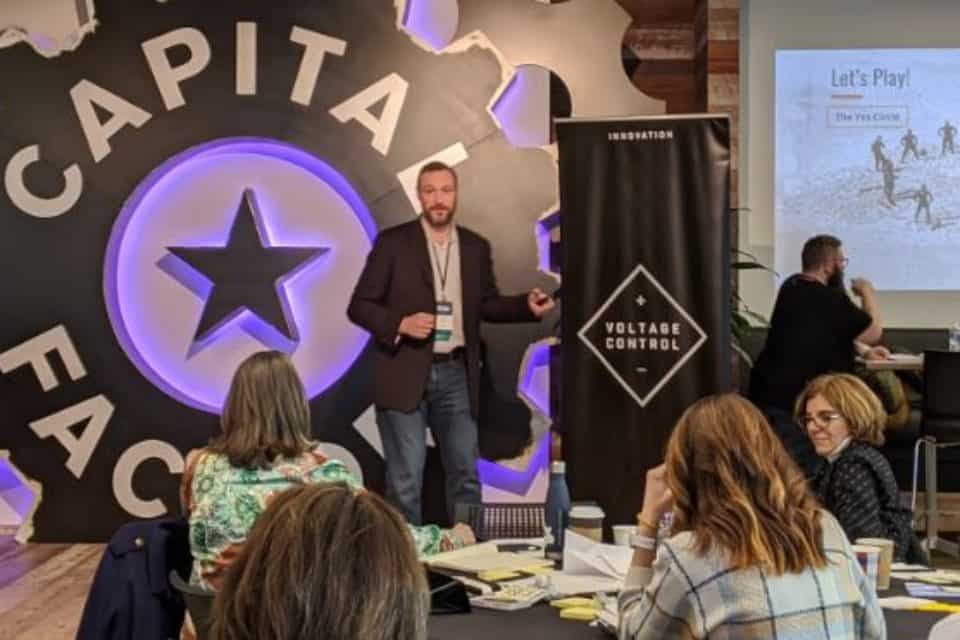
Please join us for the Control the Room 2021, which will be held Feb. 2-4, 2020. You can find out more and buy tickets here. This…
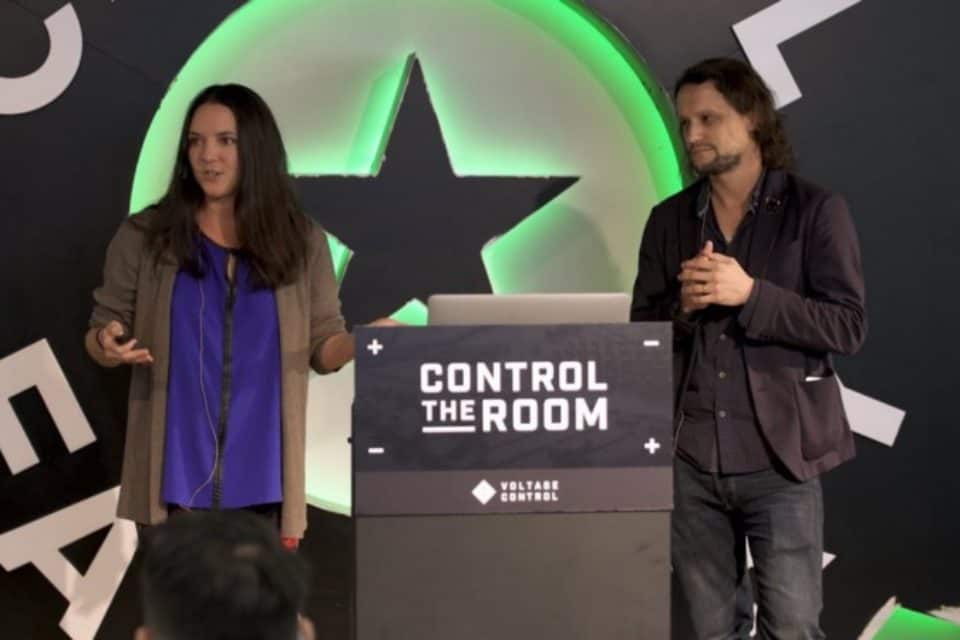
This is part of the 2019 Control The Room speaker video series. Control the Room 2019 was Austin’s 1st Annual Facilitator Summit with the goal of…

As AI reshapes knowledge work, organizations must prepare for more than new tools—they must prepare for a new professional identity. This article explores Gartner's three waves of AI adoption, from AI as an assistant to AI as autonomous agents, and explains why Wave 3 demands a shift from creating work to directing and evaluating AI systems. Learn why the future belongs to leaders who develop judgment, oversight, and orchestration skills, and how organizations can help employees transition from makers to managers in an AI-driven workplace.

If you are wondering whether a facilitation certification is worth the investment, this guide breaks down the real value beyond the credential itself. Learn what top facilitation certification programs actually teach, including meeting design, group dynamics, psychological safety, decision-making frameworks, and facilitator presence. Explore the true costs in time and money, who benefits most from certification, and when pursuing a credential may not be the right move. Designed for internal facilitators, L&D professionals, managers, and collaborative leaders, this article helps you evaluate the career impact, leadership growth, and practical skills gained through formal facilitation training and certification programs.

AI is reshaping how teams operate—but the real advantage isn't in individual productivity hacks. It's in how humans and AI work together. This article explores why human-AI collaboration delivers measurable business value when embedded into team workflows, rituals, and decision-making.

When AI expresses confidence differently than expected, something surprising happens: teams make better decisions together. Understanding uncalibrated AI models reveals new pathways for collaboration and collective sensemaking that challenge conventional assumptions about human-AI partnerships.

Choosing the right facilitation training program can have a lasting impact on your organization's ability to lead effective meetings, workshops, and change initiatives. This guide helps L&D leaders evaluate facilitation certification and training programs using seven critical criteria, including credential recognition, cohort-based learning, curriculum depth, instructor quality, business relevance, post-program support, and ROI. Learn how to distinguish capability-building programs from content-only courses, understand the value of HLC endorsement and IAF alignment, and identify the features that create lasting behavior change. Whether you're developing internal facilitators or strengthening organizational collaboration, this framework will help you make a more informed training investment.

As AI becomes embedded in shared work, teams face cognitive challenges that go beyond tool adoption. Misaligned mental models, trust in automation, knowledge representation limits, and cultural adoption resistance can disrupt collaboration. This article examines key obstacles to human-AI collaboration and explains how teams can build shared understanding, stronger workflows, and responsible AI use across human teams and autonomous AI agents.