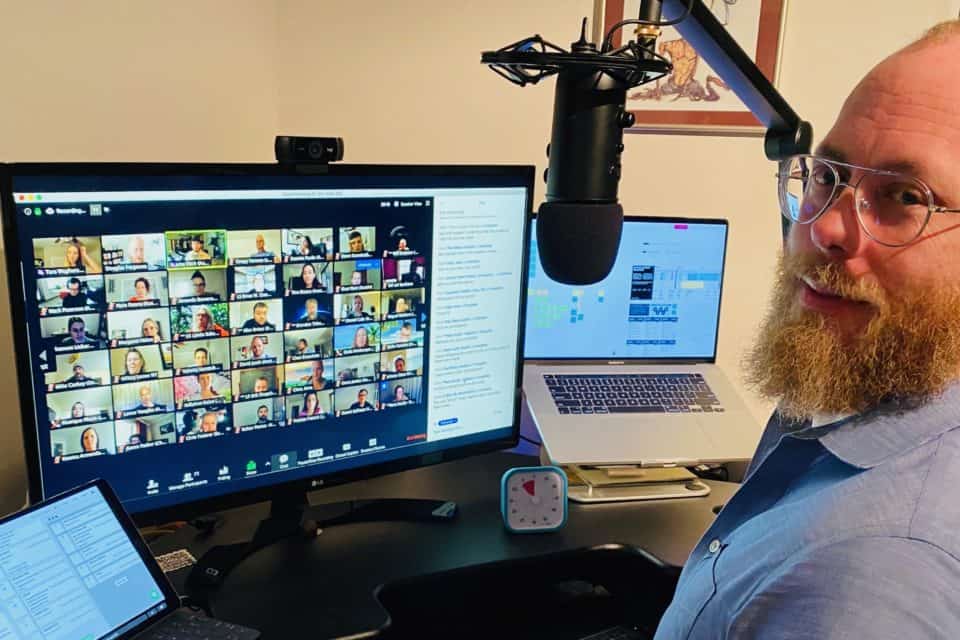
Planning a virtual workshop? I’m sharing my top tips to help you run it successfully! Voltage Control has been hosting multiple virtual workshops a week…
413 results found.
Planning a virtual workshop? I’m sharing my top tips to help you run it successfully! Voltage Control has been hosting multiple virtual workshops a week…
Voltage Control's Virtual Work Guide is an applicable curation of the best tools and processes every facilitator and team leader needs to conduct successful remote work.

A great meeting can set the tone for weeks of productive work while a boring one can steal all the momentum from a team. This…
The apps and virtual design thinking exercises you need to run a successful remote workshop.
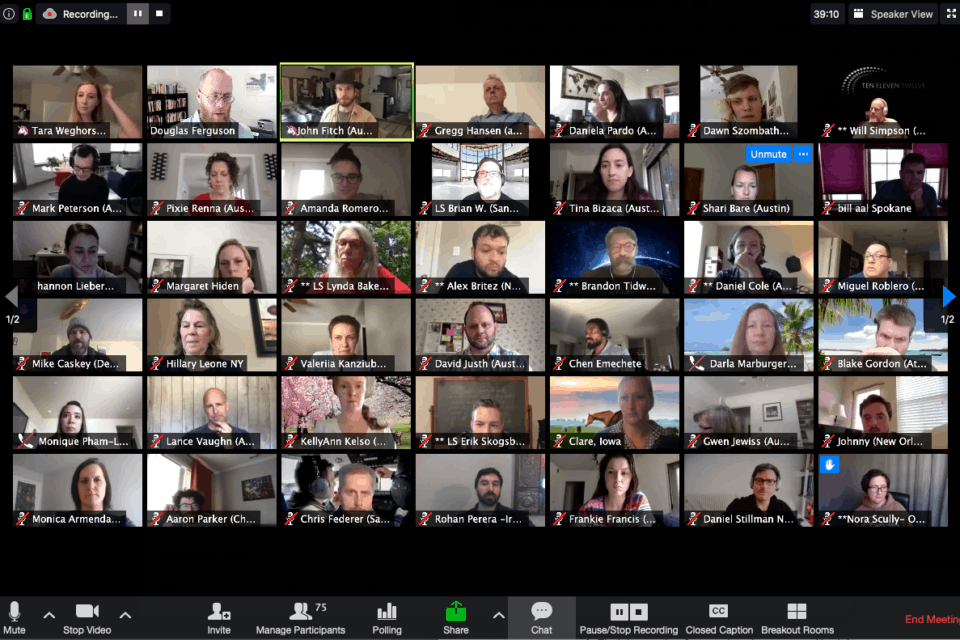
We wanted to give the community an opportunity to come together to learn and practice virtual decision-making methods and tools.
Right now, if you’re not working in a hospital, grocery store, pharmacy, or other essential business, you’re likely working from home as best as you…
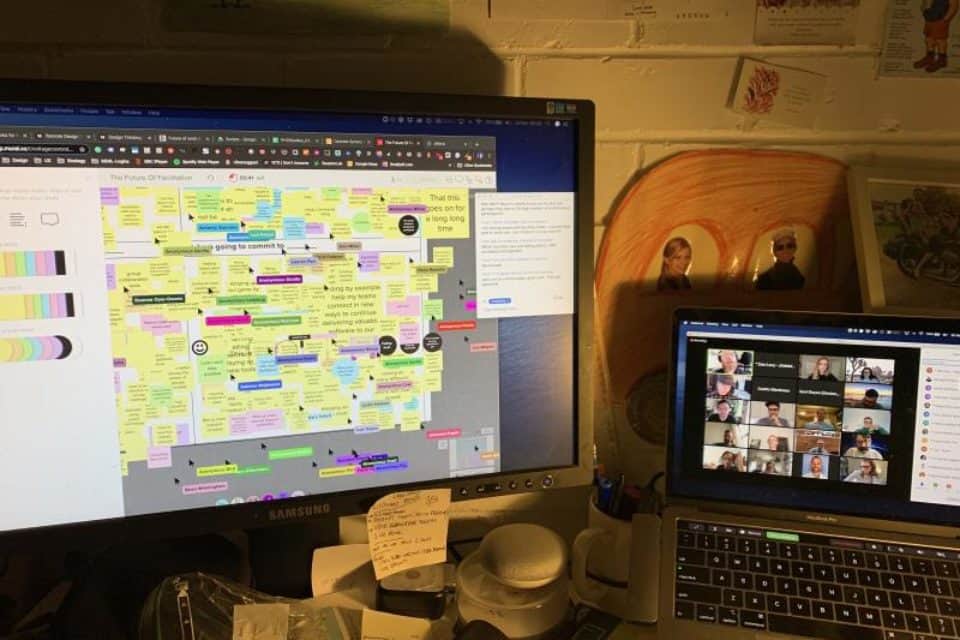
The unknowns of COVID-19 pose a concern for how to continue business as usual and many facilitators have found themselves wondering how to navigate this…
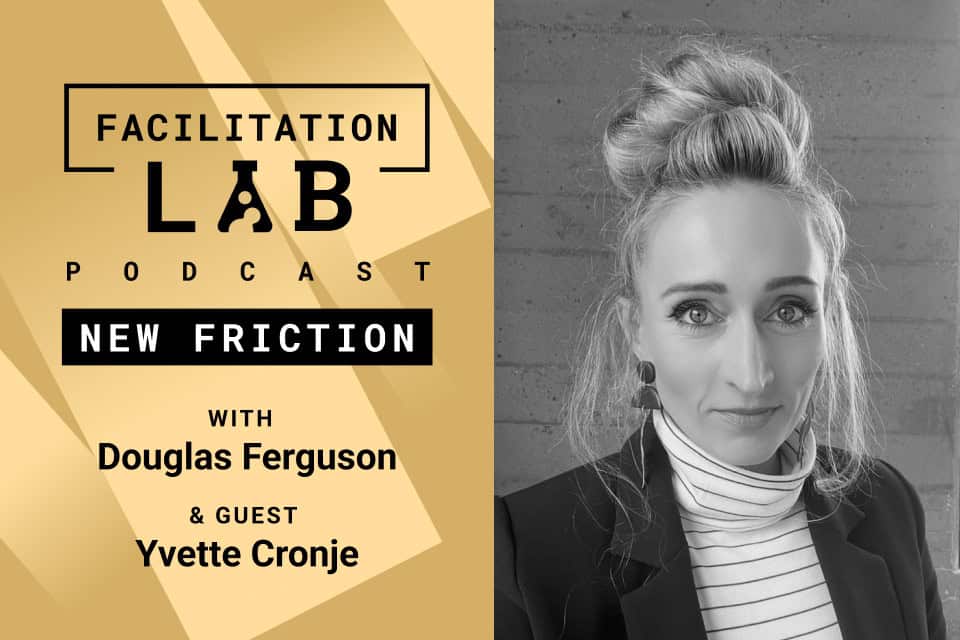
In this episode of the Facilitation Lab podcast, host Douglas Ferguson interviews Yvette Cronje, Head of UX Design for HP's unified consumer app experience, about how design leadership is shifting as AI compresses production time. Cronje argues that AI hasn't removed the hard part of design so much as relocated it: craft is shifting from executing pixels to judgment, taste, and critique, and teams need shared principles and decision frameworks in place before they diverge into AI-generated options, or misalignment simply accelerates alongside execution. She and Ferguson trace how this plays out in practice, from workshops that align teams on principles before production, to using AI as a critique partner and coaching tool rather than a production shortcut, to the delegation and communication skills leaders increasingly need as ICs manage AI collaborators. They also discuss trust, both customers' trust in AI-driven product features and organizational trust in people through constant change, as a central design and leadership problem. The conversation closes on reframing AI anxiety as an opportunity for curiosity and growth rather than a threat to craft or job security.
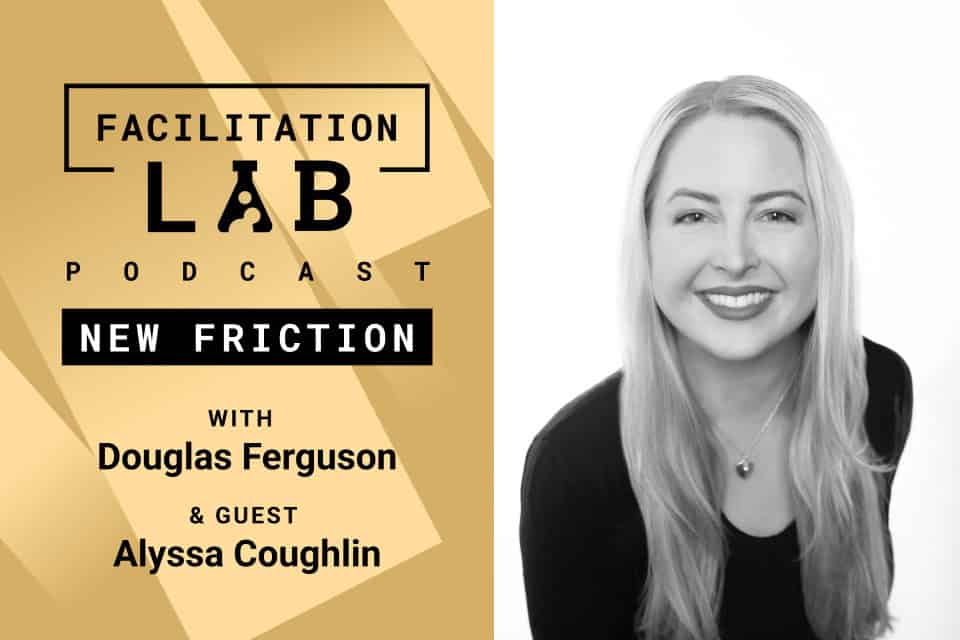
In this episode of the Facilitation Lab podcast, host Douglas Ferguson interviews Alyssa Coughlin, Director and Chief of Staff for Autodesk's Data, AI, and ML Platform organization, about what it actually takes to move a large engineering company from AI-enabled to AI-native. Coughlin describes how bottlenecks have shifted away from writing code toward code review, deployment permissions, and design decisions now that AI has made execution fast and cheap. She walks through concrete changes her org has made, including abandoning two-week Scrum sprints for Kanban flow, moving from PRDs to spec-driven development consumable by both humans and AI, and building shared "knowledge graph" brains to catch duplicated work before it ships. Throughout, she frames change management as a balance of carrot and stick, arguing that engineers aren't losing their jobs so much as shifting from author to orchestrator, and that managers themselves must stay hands-on with the tools to coach effectively. She closes by describing AI as an amplifier that exposes organizational seams rather than a fix, so the real work is continuously finding and addressing the friction it reveals.
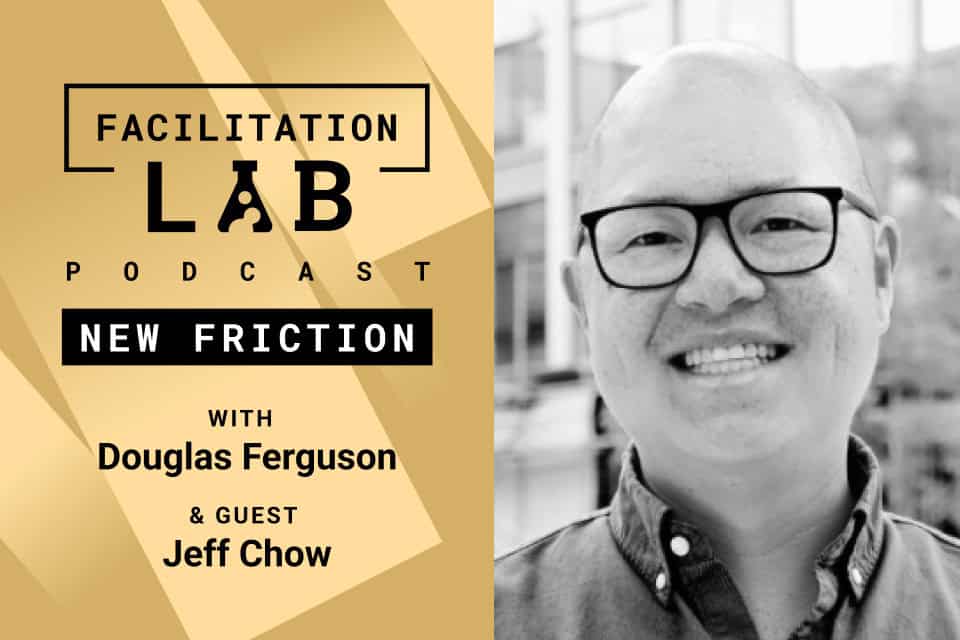
In this episode of the Facilitation Lab podcast, host Douglas Ferguson interviews Jeff Chow, Chief Product and Technology Officer at Miro, about where friction is showing up inside product teams as AI reshapes how work gets done. Jeff describes how PMs prototyping in high fidelity, designers coding, and engineers orchestrating agents are collapsing old role boundaries, and argues the underlying tensions — who owns a decision, who gets paged at 2am, how a designer receives feedback — aren't new, just amplified. Much of the conversation centers on decision-making as the real bottleneck: Jeff makes the case that 10x individual output doesn't translate into 10x business results unless organizations can also accelerate cross-functional alignment and cascade decisions with their underlying context, not just their conclusions. He and Douglas dig into Miro's bet that a shared visual canvas — carrying both artifacts and a decision log of why choices were made — is the connective layer that keeps AI-assisted work and human teams moving together instead of fragmenting into isolated single-player sessions. The two also trade observations on viral AI adoption patterns inside organizations, the psychology of design crits applied to AI-generated work, and the early signs of "ephemeral UI" and custom, vibe-coded widgets reshaping what software teams expect to build for themselves.