Fall 2026 Facilitation Certification Application Deadline Sept 18th
post image
AI | August 20, 2026

AI productivity gains may be creating a hidden talent crisis. As senior employees use AI to take on work once assigned to junior staff, organizations risk “experience starvation,” weakening the pathways that build judgment, discernment, and future leaders. Explore how shrinking entry-level opportunities, skills atrophy, and disrupted talent pipelines could create long-term capability gaps, and why leaders need to design developmental friction into AI transformation. Learn how organizations can capture AI’s speed and efficiency without sacrificing the hands-on experience people need to grow into tomorrow’s experts.

post image
AI | August 12, 2026

Explore why AI transformation efforts focused on workforce cuts often fail to deliver meaningful ROI. Research shows that reducing headcount may create budget room, but it does not necessarily create business value. This article examines the accountability gap between measurable cost savings and the long-term opportunities organizations may be destroying in the process. Learn why successful AI transformation requires outcome-based measurement, strong governance, human expertise, and investment in the capabilities needed to guide, adapt, and scale AI systems over time.

post image
Podcast | August 11, 2026

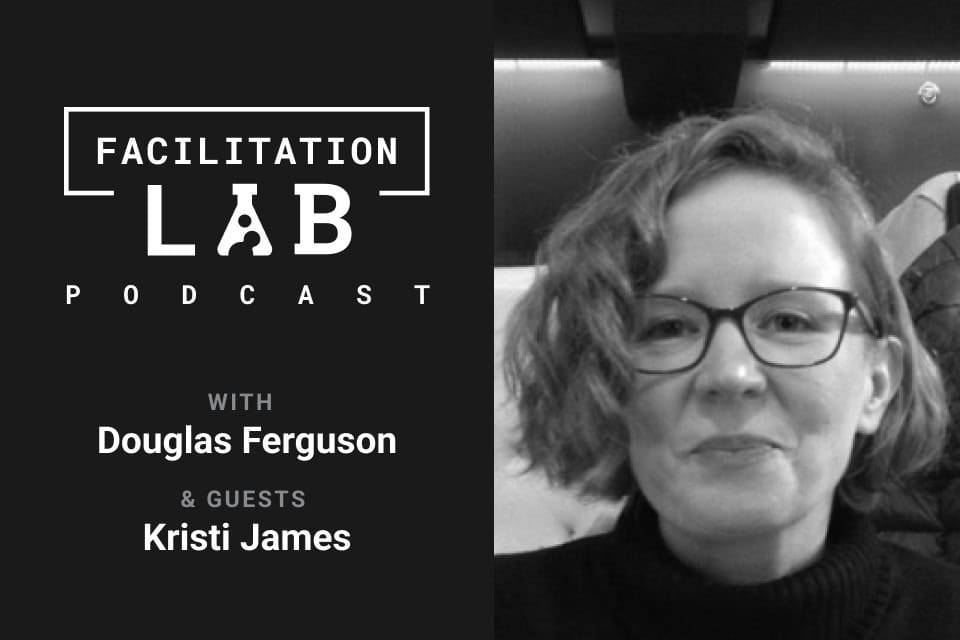
In this episode of the Facilitation Lab podcast, host Douglas Ferguson interviews Kristi James, a Lead Change Manager at the World Health Organization's Health Emergencies Programme in Berlin. Kristi traces her facilitation instincts back to childhood event planning and an early corporate career at DHL, where she discovered that sketching out processes and user journeys helped teams see where they belonged, resolve role confusion, and surface disagreement productively. She describes how a coach, Mary Beth Maines, helped her recognize creativity she had dismissed in herself, and how that shift now shapes the way she draws out scientists and doctors at WHO who are more comfortable debating than co-creating. Kristi walks through concrete practices, from visual cues and whiteboards that anchor group memory to 1-2-4-All exercises that convert passive listeners into active participants, and a recent example of using a user-journey diagram to unstick a stalled budget negotiation. The conversation closes on her core belief that visualizing a process doesn't just clarify tasks, it gives groups a safer, more concrete way to name resistance and work through conflict together.

post image
New Friction | August 5, 2026

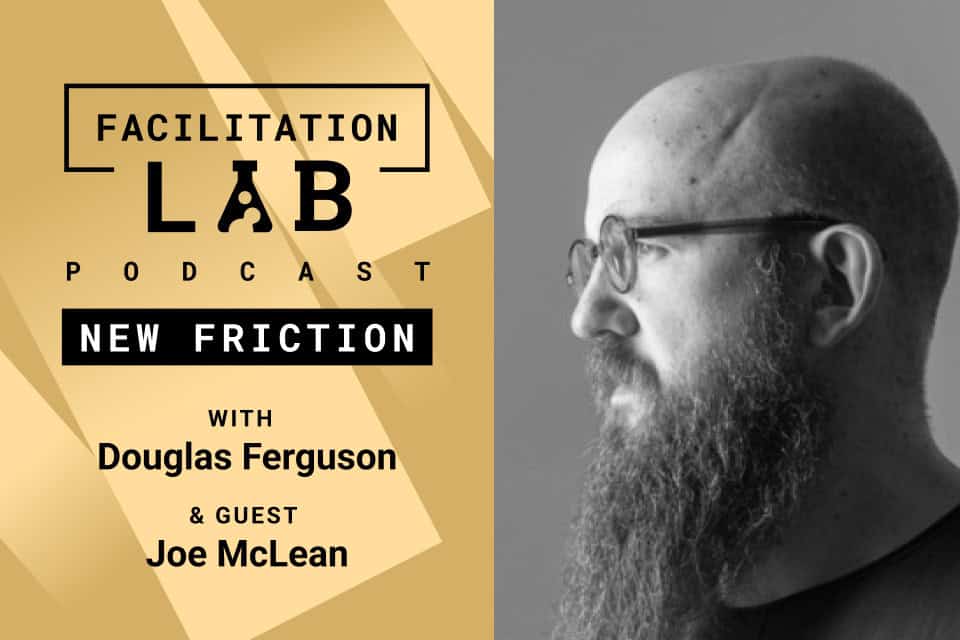
In this episode of the Facilitation Lab podcast, host Douglas Ferguson interviews Joe McLean, Group Product Manager for the AI Stream at Miro, who led the overhaul of Miro's Sidekicks and Flows AI surfaces launched at Canvas 25. Joe traces how his hobbyist love of Eurorack modular synthesizers shaped Flows, arguing that visible, patchable connections reveal what a chat box hides, and that a good tool's structure can enable rather than constrain creativity. He and Douglas dig into what he calls the "visual trace" - treating an AI agent like a new hire who needs onboarding, check-ins, and a replayable record so a whole team, not just one operator, can trust and build on its work. The conversation covers how cheap execution is reshaping product development, from teams showing up to meetings with working prototypes instead of slide decks, to Miro's internal VibeLab tool solving the "Git problem" of AI-generated design branches, to the rise of throwaway personal software built for an audience of one. They close on a candid discussion of the switching costs of chat-interface lock-in and Joe's conviction that the healthiest relationship with AI comes from building things with it, not just asking it questions.

post image
AI | August 3, 2026

As AI rapidly transforms how work gets done, one leadership skill is becoming more valuable than ever: facilitation. While AI can accelerate execution, it cannot replace the human ability to align teams, navigate complexity, build trust, and guide better decisions. Organizations that invest in facilitation create leaders who can turn diverse perspectives into meaningful action, foster collaboration, and unlock the full value of AI. Discover why facilitation is emerging as the defining leadership competency for the AI era and how it empowers teams to thrive through constant change, innovation, and increasingly complex challenges.