Fall 2026 Facilitation Certification Application Deadline Sept 18th
post image
AI | July 24, 2026

Most organizations are measuring AI success the wrong way. Tokens consumed, adoption rates, lines of code generated, and tasks completed may look impressive on a dashboard, but they don’t reveal whether AI is actually improving performance or creating business value. Learn why traditional AI productivity metrics can mislead leaders, how output accounting differs from outcome accounting, and which metrics matter most. Explore a smarter framework for measuring AI transformation through quality, autonomy, novel work, cost-to-serve, and measurable business impact.

post image
New Friction | July 22, 2026

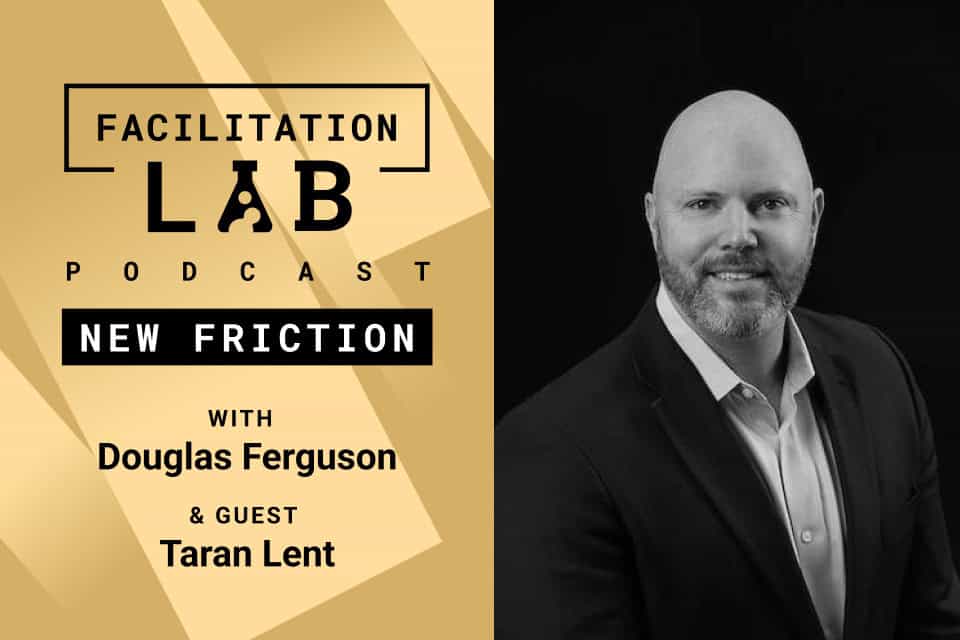
In this episode of the Facilitation Lab podcast, host Douglas Ferguson interviews Taran Lent, Chief Technology Officer at Illumia, about how his organization moved from individual AI experimentation to enterprise-wide capability. Lent describes building an "enablement task force" that deliberately avoided becoming a governing bottleneck, instead creating conditions for employees to play, learn, and share what worked, before this year's push to elevate personal AI habits into shared team and company-wide skills, standards, and vetted tools. He talks about using AI as a contrarian thought partner and even having it grade his own interviewing and meeting behavior, while cautioning that transcripts alone miss tone and body language. The conversation also covers the governance side of scaling AI, including a stakeholder review process for new tools and skills, the four-to-six-week approval timeline for new vendors, and guardrails to prevent incidents like an unauthenticated internal dashboard. Lent connects this to Illumia's recent merger of Transact and CBORD, crediting a shared "humble, hungry, smart" culture for making the integration smoother, and closes by arguing that judgment, creativity, and human discernment remain the differentiators as AI adoption accelerates.

post image
AI | July 17, 2026

AI has made eliminating workflow friction easier than ever, but removing every obstacle can create hidden organizational risk. This article introduces the concept of friction discernment; the leadership skill of distinguishing between draining friction that wastes time and developmental friction that builds judgment, expertise, and resilience. Learn why optimizing solely for speed creates capability debt, how AI can unintentionally erode critical thinking, and how leaders can intentionally design the right friction back into work to strengthen decision-making, learning, and long-term organizational performance in the age of AI.

post image
New Friction | July 14, 2026

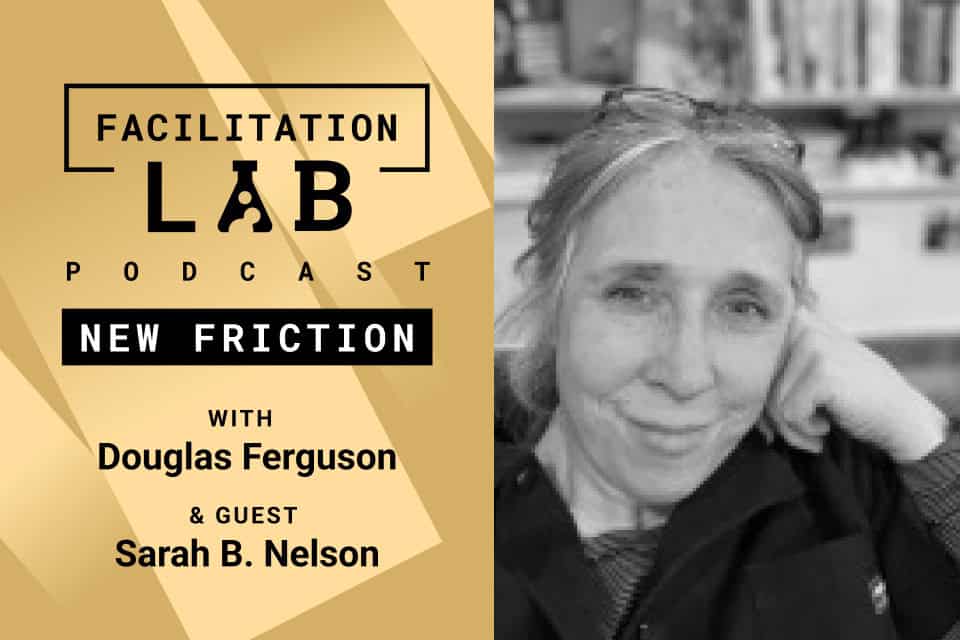
In this episode of the Facilitation Lab podcast, host Douglas Ferguson interviews Sarah B. Nelson, Distinguished Designer at Kyndryl and co-founder of Kyndryl Vital, about why AI's promise to remove friction is actually surfacing the human dynamics organizations have always avoided facing. They unpack how a single word like trust splinters into distinct concerns — model accuracy, data use, organizational credibility — and why treating human in the loop as a rubber-stamp step risks disengagement and stripped-out meaning. Nelson draws on the NeuroLeadership Institute's SCARF model to explain why AI rollouts stall on status, certainty, autonomy, relatedness, and fairness rather than on the technology itself, and shares stories spanning cybersecurity burnout, Holacracy at Zappos, and the extraction economics behind AI training data. The conversation keeps returning to her insistence on designing with people rather than at or for them, and on imagination as the resource most at risk of being engineered out of enterprises chasing speed. She closes with a Buckminster Fuller line she keeps returning to: that people are called to be architects of the future, not victims of it.

post image
AI | July 10, 2026

Why do enterprise AI initiatives stall even after strong pilots, impressive ROI, and airtight security reviews? Because trustworthiness and trust are not the same thing. This article explores why employees resist AI despite overwhelming evidence that it works, revealing the psychological factors that drive real adoption. Learn why case studies and compliance badges rarely change behavior, how professional identity shapes AI acceptance, and the practical strategies leaders can use to build lasting trust through experience, social proof, and thoughtfully sequenced adoption rather than more technical proof.