
Winter 2027 Facilitation Certification Deadline January 1st
post image
AI | November 6, 2026

Effective AI governance policies require more than rules and compliance checklists. They require trust, collaboration, and employee involvement. Discover how Voltage Control's certified facilitators helped guide Cardano's global constitutional process, bringing together participants from 51 countries to build shared rules through facilitated workshops. Learn how this approach to participatory governance can help organizations create AI policies employees understand, trust, and follow. Explore practical strategies for involving teams in policy development, gathering meaningful feedback, building consensus, and reducing unnecessary approval barriers. See how collaborative AI governance strengthens accountability, improves adoption, and creates lasting alignment between leadership, security teams, and employees.

post image
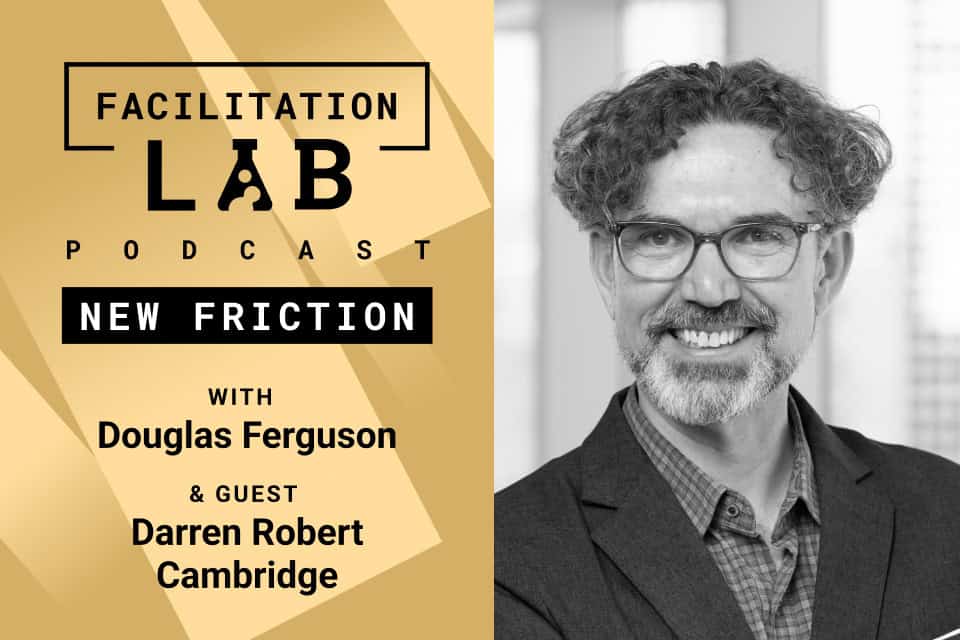
New Friction | November 5, 2026

In this episode of the New Friction series from the Facilitation Lab podcast, host Douglas Ferguson interviews Darren Cambridge, Managing Director of the Institute for Trustworthy AI in Law & Society (TRAILS) at the University of Maryland. They start from Darren's framing that the next decade's central question is capabilities and authentic humans together, not humans fitted in around AI. Darren distinguishes agency (having a voice) from autonomy (freedom within boundaries), and explains how explicit guardrails can support autonomy while still leaving people a say in where the lines are drawn. He draws on aviation, basketball, and football to argue that safety practices and rules evolve through iteration, and he warns that participation theater, where organizations listen but don't share power, does more harm than good. The two discuss productive versus unproductive friction, how efficiency-first AI strategies can erode skill development and produce too much low-value output, and why organizations with strong participation and deliberation habits will handle AI more steadily. Darren closes with an invitation for practitioners to partner with researchers at TRAILS.

post image
AI | November 3, 2026

AI is producing work faster than traditional approval workflows can handle, creating bottlenecks in code reviews, security checks, and organizational decision-making. But speeding up review gates or adding more reviewers won't solve the underlying problem. Effective AI review gate redesign requires distinguishing repetitive approval toil from protective friction that catches meaningful risks. Learn why AI-generated work overwhelms human judgment, how risk-based routing and smarter approval workflows can reduce unnecessary delays, and why organizations must rethink which decisions truly require human oversight. Discover how to redesign AI governance processes that protect quality, improve efficiency, and scale without sacrificing accountability.