Winter 2027 Facilitation Certification Deadline January 1st
post image
AI | October 20, 2026

What does it really mean to become an agentic organization? Deploying AI agents is only the beginning. True agentic transformation requires more than automation. It demands structured human-AI collaboration, clear decision-making authority, effective governance, and organizational trust. Explore why many agentic AI initiatives fail, how facilitation bridges the gap between technology and teamwork, and the three essential capabilities that separate genuine agentic organizations from agentic theater. Learn practical strategies for building decision frameworks, maintaining human oversight, and creating teams where humans and AI agents work together to make better decisions and drive lasting organizational transformation.


post image
AI | October 16, 2026

Where do AI agents belong on your org chart? Explore how to make enterprise AI agents discoverable, addressable, and accountable to clear lines of authority without treating them as coworkers. This post examines the gap between presenting agents as digital employees and leaving them off the organizational chart entirely. For leaders navigating AI adoption, it frames a practical question: how can organizations make agents visible while keeping human authority clear? Rethink how your org chart represents AI agents, clarifies responsibility, and helps teams understand where these systems fit within the organization.

post image
AI | October 13, 2026

AI transformation consulting should help your organization work differently, from faster decisions to stronger team alignment. Learn how to distinguish technology implementation from organizational transformation, recognize common AI adoption failures, and choose a consulting partner equipped to address the real barriers to change. Explore why governance, workflow redesign, leadership participation, and shared AI practice matter for lasting results. Voltage Control explains its facilitation-first, diagnostic approach to building AI capability, the questions to ask prospective consultants, and how to determine whether your organization needs a transformation partner or technical implementation support.

post image
AI | October 9, 2026

Build an AI governance framework that supports responsible adoption and helps teams move faster. Learn how to govern AI tools and agents like new hires, with least-privilege access, clearly defined roles, named human accountability, and review processes that match the stakes. Explore why blanket restrictions encourage shadow AI, how an AI driver's license can help employees earn access through practical skills, and why involving people in policy design builds trust and ownership. Voltage Control shares concrete steps to assess agent permissions, write AI job descriptions, strengthen review rituals, and create governance your organization can understand and follow.

post image
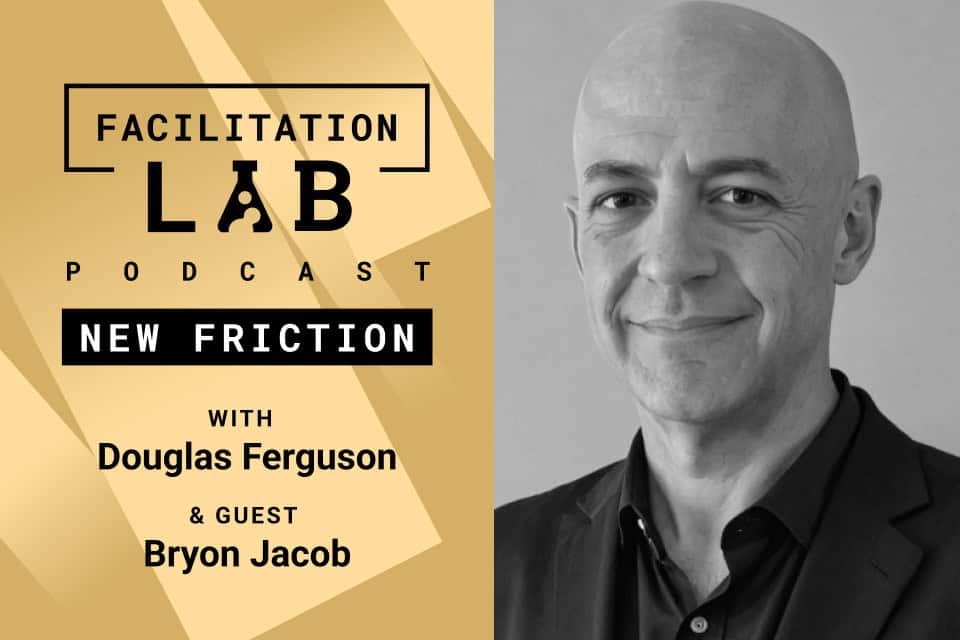
New Friction | October 7, 2026

In this episode of the New Friction podcast, host Douglas Ferguson interviews Bryon Jacob, a technology advisor and AI strategist who previously co-founded data.world as CTO and spent a decade at HomeAway. Jacob argues that the teams succeeding with AI-assisted software development share one thing in common: rigorous governance — including near-100% automated test coverage, strictly enforced architectural standards, and code bases deliberately organized for agentic development. He explains why zero tech debt has shifted from aspirational to economically necessary, since AI amplifies good patterns and railroads bad ones, making clean, well-documented, thoroughly tested code the prerequisite for real productivity gains. The conversation examines how leaders are rethinking code review, prototyping, and the entire software development lifecycle, including why a CEO drafting a pull request in Claude Code is a fundamentally better spec than any design brief. Jacob closes by drawing the arc from assembly language to compilers to natural language programming, framing today's moment as the natural next step in a decades-long evolution — and a preview of the governance-driven transformation already coming for legal and every other structured profession.

post image
AI | October 2, 2026

Why are legal teams adopting AI faster than engineering? This article explores a surprising trend emerging across regulated enterprises: legal professionals are embracing AI not because they are more confident, but because they feel the greatest urgency to adapt. Drawing on insights from leaders at Endava, LinkedIn, and Gartner research, it examines how fear, leadership, and organizational psychology shape successful AI transformation. Learn why governance should empower rather than restrain high-stakes teams, and discover practical strategies for helping legal, compliance, and other regulated functions become active designers of AI adoption instead of passive reviewers.